


Winfred is a key member of the M&A Registrars team, where she is dedicated to simplifying company registration in Kenya, corporate governance, and company secretarial services. Drawing on her background in audit and tax compliance, she offers clients a truly integrated perspective, ensuring a holistic view of both their legal structuring and underlying financial and regulatory needs. Connect with Winfred and her team for expert guidance:
LinkedIn >>A simple guide for founders, foreign investors, and growing Kenyan businesses
Table of Contents
If you’re a foreigner looking to expand your business into Kenya – or your existing Kenyan company is ready to open a new business line –one of the smartest and safest ways to do it is by registering a subsidiary company in Kenya.
A subsidiary gives you a fresh structure, a separate legal personality, and strong protection for your parent company.
Whether you’re a foreign investor setting up locally, or a Kenyan company branching into a new venture, this guide by M&A Registrars walks you through the process in a simple, beginner-friendly way.
M&A Registrars can guide you step by step to register your subsidiary smoothly, efficiently, and fully compliant with Kenyan law.
Book a Free Consultation with M&A Registrars TodayWhatsAppThis is one of the questions we hear almost every week:
“Can my company start another company?”
And the simple answer is: Yes, it absolutely can.
Think about the big brands you see growing all around you.
These aren’t random side hustles.
They’re subsidiary companies — new businesses created under an existing company so the organisation can grow safely, strategically, and legally under the Companies Act, 2015.
A subsidiary lets your business explore new ideas without risking the main company. It’s like opening a new door, but keeping your foundation strong.
A subsidiary company is a company that is owned or controlled by another company known as the parent company or holding company.
Think of it like this:
Even though you own and control it, the subsidiary is treated as a separate legal entity under the Companies Act, 2015. Meaning it can:
To qualify as a subsidiary in Kenya, the parent company generally owns more than 50% of its shares. If the parent owns 100%, it becomes a wholly-owned subsidiary.
A good example is the Equity Group, which operates through several subsidiaries:
a) Parent Company (Holding Company):
b) Subsidiaries:
Each of these subsidiaries handles a different business line, but they all fall under one parent company.
This structure keeps operations organised, spreads risk, and allows the group to grow into different sectors without mixing everything into one company.
M&A Registrars can walk you through the process, from parent company approvals to KRA registration, making it simple, fast, and compliant.
Book a Free Consultation with M&A Registrars TodayWhatsAppThe biggest advantage of registering a subsidiary company in Kenya is that it is a Separate Legal Entity under the Companies Act, 2015. This gives you:
| Benefit | What It Means for You |
|---|---|
|
Limited Liability Protection
|
– If the subsidiary takes on debt, faces losses, or is sued, your parent company’s assets are protected.
|
|
Tax Benefits |
– A subsidiary is treated as a Kenyan resident company, eligible for local tenders, contracts, and tax advantages.
|
|
Operational Flexibility |
– You can explore new sectors, launch new brands, and diversify safely without risking the parent company.
|
|
Investor-Friendly Structure |
– Makes ownership, valuation, and investment deals simpler and clearer for potential investors.
|
Registering a subsidiary company in Kenya follows the standard company incorporation process, but with one key difference: the parent company becomes the shareholder.
Here is the simplified step-by-step process:
| Step | What You Do | What It Means/ Notes |
|---|---|---|
|
1. Name Search & Reservation
|
– Once one name is approved, it is reserved for your subsidiary.
|
|
|
2. Prepare Incorporation Documents
|
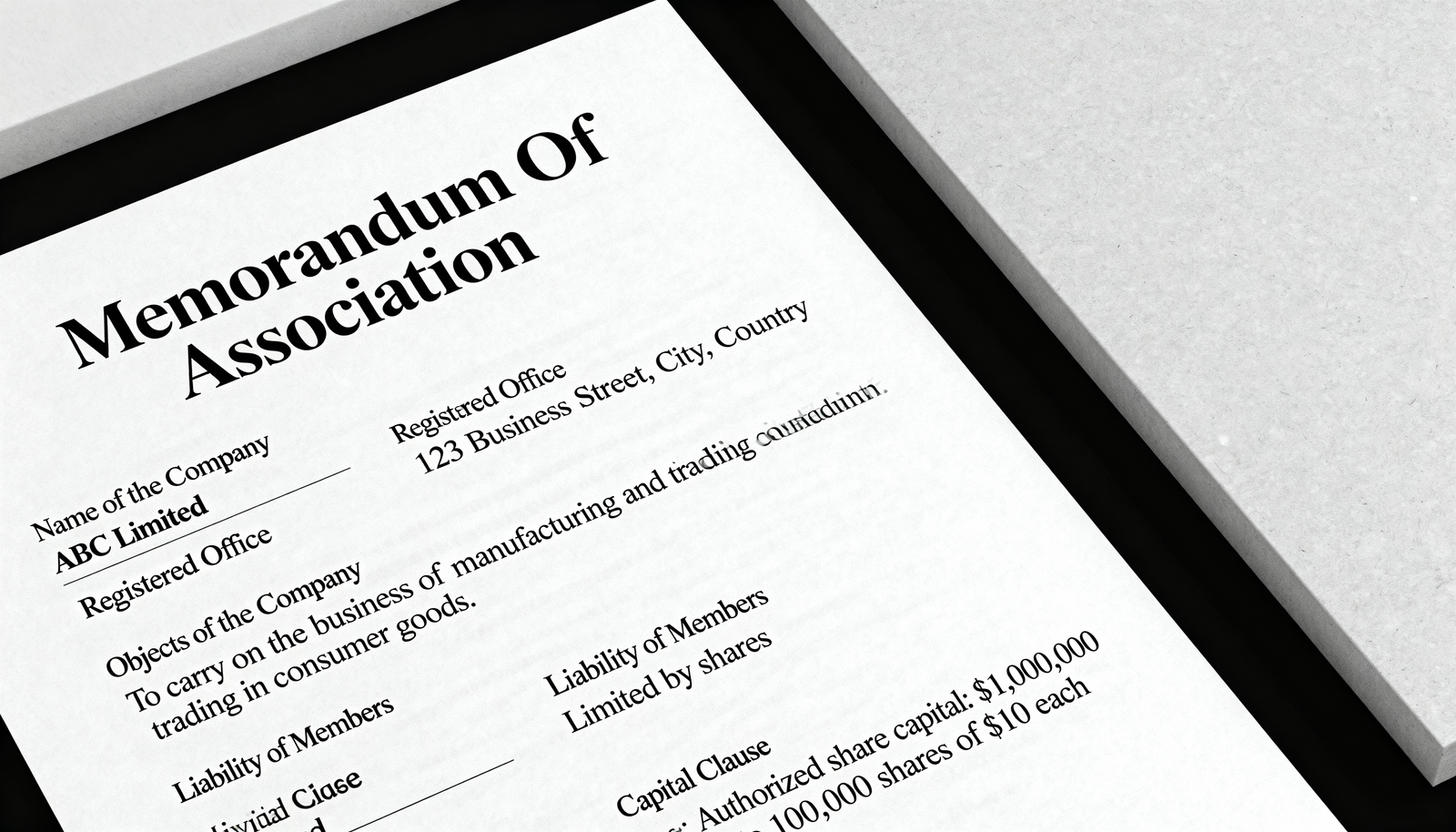
Collect and prepare: – Parent company details (certificate, address) – Parent company resolution authorising subsidiary – Director details (at least one natural person, i.e., a real human, not a company) – Registered office address in Kenya – Statement of nominal share capital – Beneficial Ownership (BO) details – Memorandum & Articles of Association |
– BO = person(s) who ultimately control or benefit from the company. Authorities need this to know who really owns the business.
|
|
3. Submit Application on eCitizen (BRS Portal)
|
|
– This officially kick starts the registration process of your subsidiary
|
|
4. Receive Certificate of Incorporation
|
|
– This certificate proves your company exists legally in Kenya.
|
|
5. Apply for Company KRA PIN
|
|
– Corporate Tax (30%) – Other taxes depending on business (VAT, PAYE, Withholding Tax, etc.) |
|
6. Obtain Business Permits & Licences |
Depending on your subsidiary’s industry, operations, and location, you may need to apply for:
|
– You can’t legally operate without these.
|
|
7. Ongoing Compliance
|
Your subsidiary must: – File annual returns (basic yearly company information to the government) – Maintain BO register (update who owns or controls the company) – Submit tax filings – Appoint a company secretary if share capital exceeds KES 5M (recommended for all foreign-owned companies) |
These are yearly updates on your company info that are submitted to the Registrar of Companies to stay compliant.
This keeps records of who truly owns or controls the company. |
To learn more about the other types of companies you can register in Kenya, visit our simplified guide on Types of Companies in Kenya
Costs vary depending on your business structure, but they usually include:
| Cost Component | What It Covers |
|---|---|
|
Government incorporation fees
|
– Fees paid to the government to officially register your subsidiary.
|
|
Professional drafting & Filing fees
|
– Charges for preparing and submitting all required documents correctly. |
|
KRA Registration
|
– Setting up your subsidiary’s tax identification with the Kenya Revenue Authority.
|
|
BO Register Setup
|
– Recording the Beneficial Owners of the company as required by law.
|
|
Business licensing |
– Permits and industry-specific licences needed to legally operate.
|
|
Optional Company secretarial services |
– Support for compliance, filings, and company maintenance.
|
Request a Customised Quotation from M&A Registrars
M&A Registrars can provide a personalized quotation based on your company’s structure and needs before you start.
Working with a professional secretarial firm like M&A Registrars also helps you fast-track the registration process, avoid errors, and ensure full compliance with Kenyan law.
You will need:
| Requirement | What It Means/ Notes |
|---|---|
|
Parent company incorporation documents |
– Proof that your parent company is legally registered.
|
|
Parent company resolution approving the subsidiary |
– Official decision by the parent company to create the subsidiary.
|
|
Director details (passport/ID + residency)
|
– Personal information of company directors, including proof of identity and residence.
|
|
At least one natural-person director
|
– At least one director must be a real human being, not another company.
|
|
Registered Office in Kenya |
– Physical address for official correspondence and legal notices.
|
|
Share capital information |
– Details of the company’s share structure and capital.
|
|
Beneficial Ownership Details |
– Information about the person(s) who ultimately control or benefit from the subsidiary.
|
|
Articles & Memorandum of Association |
– Legal documents outlining the company’s rules, purpose, and structure.
|
|
KRA Pins for Directors |
– Tax identification numbers required for all directors to facilitate company tax registration. |
1. What is a subsidiary company in Kenya?
2. How do you set up a subsidiary in Kenya?
3. What is the difference between a branch and a subsidiary in Kenya?
4. Is a subsidiary the same as a holding company?
No.
5. Does a subsidiary company need to be registered?
Absolutely. Any subsidiary must be fully registered through the Business Registration Service (BRS) to operate legally in Kenya.
6. Can a foreign company set up a subsidiary in Kenya?
Yes. Foreign companies can own 100% of a Kenyan subsidiary, except in certain restricted sectors like mining, insurance, or engineering.
7. What taxes do subsidiaries in Kenya pay?
Once your subsidiary is registered, it is treated as a Kenyan resident company for tax purposes. This means it pays:
Expanding your business doesn’t have to be risky.
Registering a subsidiary company in Kenya is one of the smartest ways to grow into new markets or explore different business lines, all while keeping your parent company protected.
Of course, it’s not just about setting up a new company – you need the right documents, proper structuring, and full compliance with the Companies Act, 2015.
If you’re thinking about expanding into Kenya or scaling your existing business, a subsidiary gives you flexibility, credibility, and long-term growth potential.
It’s a secure, strategic way to make your business ambitions a reality.
Click the WhatsApp button to book your free consultation with M&A Registrars now.
Or email us at info@mnaregistrars.com
WhatsAppWe know that setting up a subsidiary in Kenya can feel overwhelming—there’s a lot to think about, from foreign documents and shareholder structures to beneficial ownership requirements and legal compliance.
That’s where M&A Registrars comes in. We guide you through every step of the process, making sure your subsidiary is registered correctly, efficiently, and fully compliant with Kenyan law.
Book your FREE first consultation today.
We’ll review your structure, answer all your questions, and help you take the next step in growing your business in Kenya with confidence.
Registration of a Foreign Owned Entity in Kenya: Through a Subsidiary | CM Advocates LLP
How To Set Up Subsidiary Company in Kenya | G-P
Branch vs Subsidiary in Kenya: Which is the Best Structure for Your Foreign Company?
Articles of Association in Kenya Guide| M&A Registrars












Professional Company Secretarial Services, Delivered with Integrity.
We’ll guide you step by step.
Send Us a Quick Message...
Contact UsEnter your name and email to download instantly:
© 2025 MNA Registrars • All Rights Reserved • Privacy Policy
M&A Registrars: Your trusted partner for business registration, secretarial services, and company compliance in Kenya.
Click below to start the registration process, it’s fast, simple, and hassle-free!
Start Registration